menu
close
.jpg)
Want to write better climate stories? Here are some quick tips to get you started. If you’re a newsroom looking for more targeted guidance for your market, apply for cXc membership and let’s start a conversation.
Relatability is one of the key problems with current climate output: it’s too big, too overwhelming, and happening somewhere far away. By engaging people not just where they are, but where their interests and enthusiasms lie—their culture and its many applications—the relatability gap can be bridged. It helps people understand why a story matters to them and their communities.
Terminology is excluding and doesn’t cross borders. Often the people who take most from climate news are those with a limited understanding of the science. Use clear frames of reference, familiar cultural concepts and, if science is needed, use only the most relevant points. Take time to be clear.
Scaring people can work when a threat is immediate. Otherwise, it can be a pathway to disengagement. Instead of using sensationalist headlines, use skillful framing to attract people to a story, and offer benefits to them and their way of living.
Ambition begins with aspiration. And consumer culture is fed by both. Create the demand for climate responsible behaviours at a cultural level and inspire consumer habits by showing audiences the personal benefits—as well as telling them why. Individual-level action isn’t meaningless: the world’s biggest companies rely on consumer habits for their existence, and these start small. Create the demand for change, and change will happen. The media has the power to inspire it.
Leverage interest niches. Use humour. Frame stories that are entertaining and accessible, and have a low threshold for buy-in. Use storytelling that appeals to the curious, or the bored, whilst retaining credibility and usefulness. Be diverting and rewarding: don’t annoy with interruptive, sensationalist content. You have far more to gain from spending those extra moments crafting a story than falling back on old tropes.
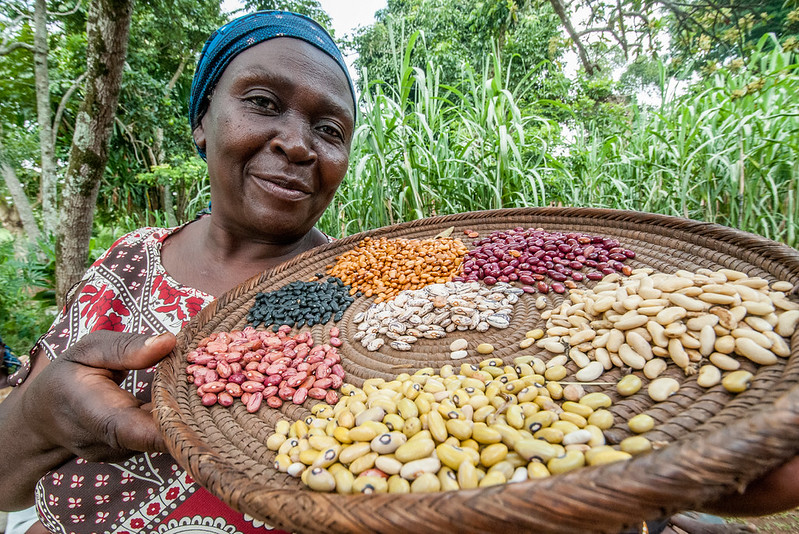
Carefully chosen, human-driven imagery is critical for credibility and cultural resonance, with climate content of all kinds often relying on a suite of cliched imagery. Exercise care when selecting pictures, ensure you use real people in real situations, and ensure you go the extra mile for impact—it is this that often makes the difference between a story being read, and being skipped.
Local news has the potential to drive the most actionable change as it is unambiguous about who it affects: local voices are relatable, are deeply rooted in culture and speak to specific issues and experiences that inspire trust and recognition in audiences. Wherever possible use local journalists and local voices to anchor your story.
Climate is a serious subject, but engaging users with information relating to it can take many forms. Often small amounts of information packaged skilfully within other stories can be more memorable than long investigative pieces. And positive, affirmative pieces can be more effective than chiding, negative exposes. Education by osmosis can be a highly effective way to influence behaviour.
Find out more in cXc's Guide to Climate Culture Journalism, downloadable here.